


MOGADISHU – Somalia’s federal government has warned that the country faces significant fiscal risks unless an agreement is reached on a unified tax-sharing framework, after new data showed that only 3 percent of the national economy is currently taxed.
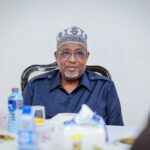
Finance Minister Biixi Iimaan Cige said during a panel discussion on financial stability at the National Justice Sector Convention that domestic revenue collection remains far below the level required to sustain government functions. He noted that, apart from the capital Mogadishu, the federal government does not directly receive taxes collected by federal member states.
Cige said the ministry has prioritised boosting domestic revenue in order to reduce reliance on foreign aid. Over the past three years, he said, domestic income has increased by 80 percent, driven by the introduction of new legislation, modern tax-collection systems and stronger oversight of revenue-gathering agencies.
“Only 3 percent of Somalia’s economy is taxed. If we fail to reach an agreement on tax federalisation, the country is at risk,” the minister said, calling the situation “a serious warning sign” for fiscal stability.
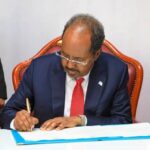
Reflecting on conditions before President Hassan Sheikh Mohamud took office, Cige said the government had relied almost entirely on revenue from Mogadishu port — an income stream he described as unstable and insufficient, with salaries often requiring supplementary support.
He said the government has since moved away from dependence on the port alone and begun building a modern financial architecture, including the appointment of revenue prosecutors and the establishment of procedures aimed at strengthening internal revenue sources.
The minister urged Somalis to understand the constraints facing the government, stressing that economic stability was essential for building durable state institutions.
“Financial stability is the backbone of functional statehood,” he said.