


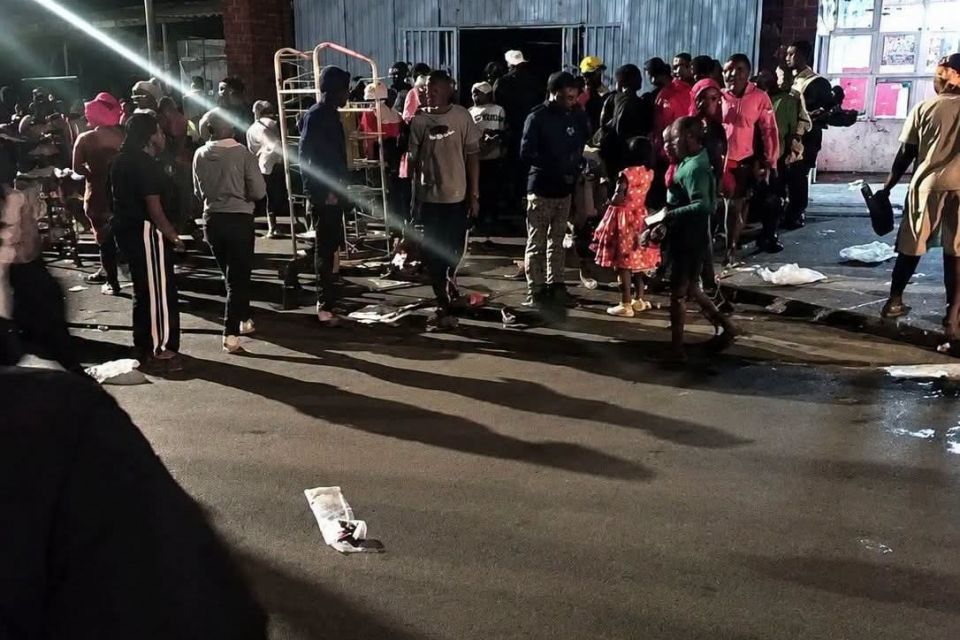
MOGADISHU, Somalia – Somali-owned shops lie in ruins, with shattered glass, empty shelves and overturned refrigerators following anti-foreigner protests across South Africa.
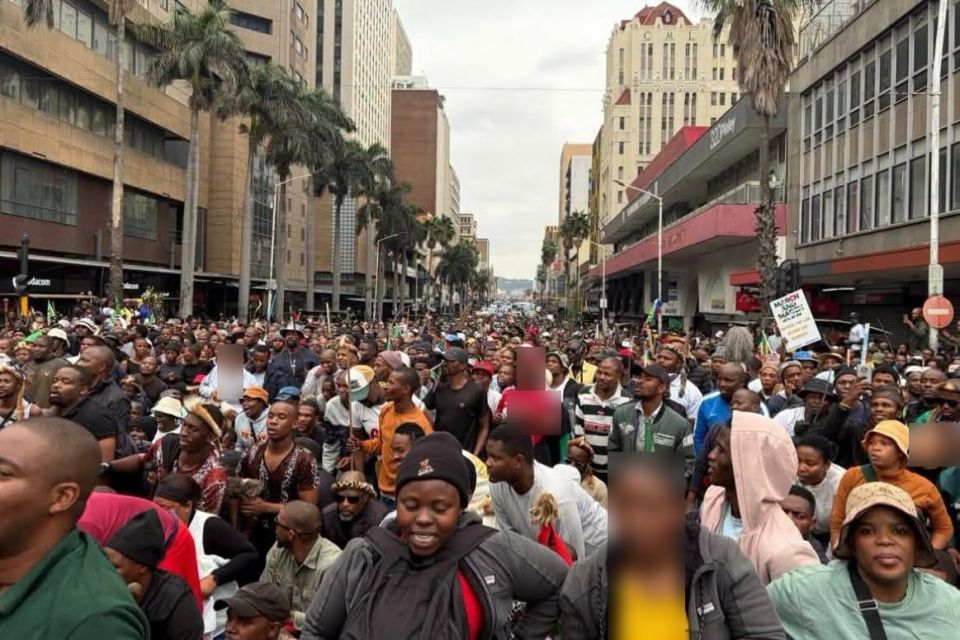
Protests escalated into looting across Durban, Soweto and parts of the North West province, targeting foreign-owned shops.
For many shopkeepers, unrest linked to the “March in March” movement has destroyed years of work, raising fear and uncertainty about rebuilding livelihoods.
Police and other security units patrolled affected areas as business owners surveyed the damage and guarded what little remained.
Among those affected was Mohamed Abdul, whose family has lived in Clermont, west of Durban, for nearly 11 years.
Two of his family’s stores were looted, leaving empty shelves and financial losses after years of building a business dream.
Abdul stood inside their Lovemore supermarket, struggling to recognize the business that had supported his family for more than a decade.
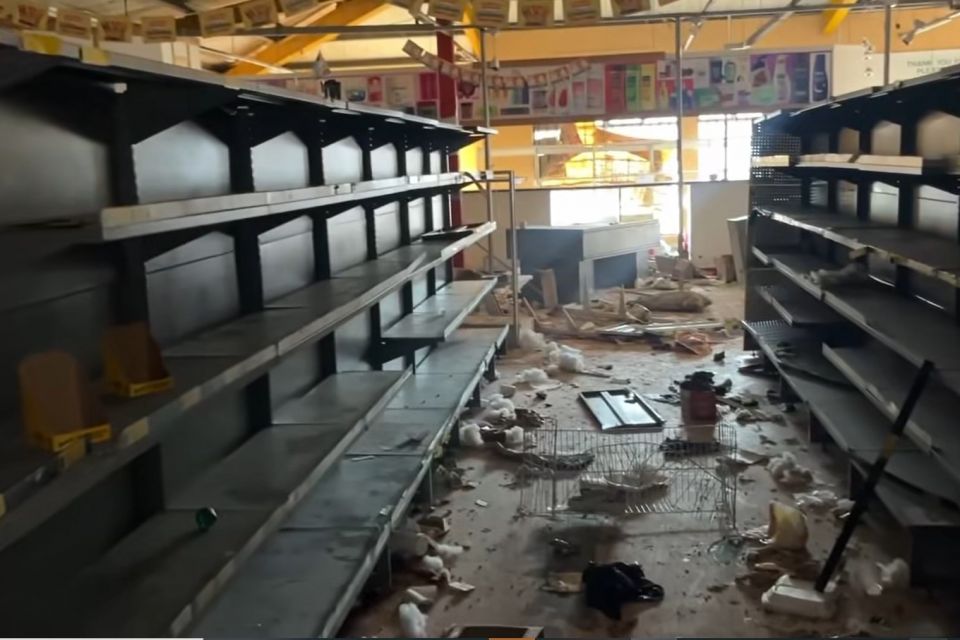
“We came here to build a future, not to take from anyone,” he said. “Seeing everything gone breaks something deeper than our hearts.”
He said many local residents have continued supporting the family, but months of growing anti-foreigner rhetoric created uncertainty long before the violence erupted.
The unrest also spread beyond Durban, with Somali-owned businesses reporting similar attacks in other parts of the country.
The Somali community in South Africa said criminal groups looted about 20 Somali-owned shops in Villiersdorp, near Cape Town.
Business owners said they returned the following morning to find crowds surrounding their stores before looters emptied shelves of groceries and household supplies.
Authorities reported no confirmed deaths or injuries. About 15 Ethiopian-owned shops were also looted during the attacks.
For many Somali entrepreneurs, a spaza shop represents years of savings, borrowed money, and long hours invested in building a small family business.
“Everything we owned was inside that shop,” another Somali shopkeeper said. “People lost groceries. We lost the future we spent years building.”
The attacks revived painful memories of previous outbreaks of xenophobic violence that have repeatedly targeted migrant-owned businesses across South Africa.
Many business owners remain uncertain about reopening, fearing another wave of violence could destroy what they rebuild, despite continued security patrols.
For families like the Abduls, recovery means replacing more than stolen merchandise. It also means restoring confidence that they can continue living and working safely in the communities they call home.
“We can replace shelves and products,” Abdul said. “Replacing the feeling that this community is home may take much longer than everything else.”
By Abdirisak Mohamud Turyare in Mogadishu, Somalia