

KAMPALA, Uganda — Somalia’s long-term security depends on resolving its political divisions and forging broad national consensus, African leaders and international partners said at the conclusion of a summit on the future of the African Union mission in the Horn of Africa nation.
The final communiqué issued after the Second Extraordinary Summit of troop-contributing countries to the African Union Support and Stabilisation Mission in Somalia (AUSSOM) underscored that military gains against Al-Shabaab must be matched by political unity if Somalia is to assume full responsibility for its own security.
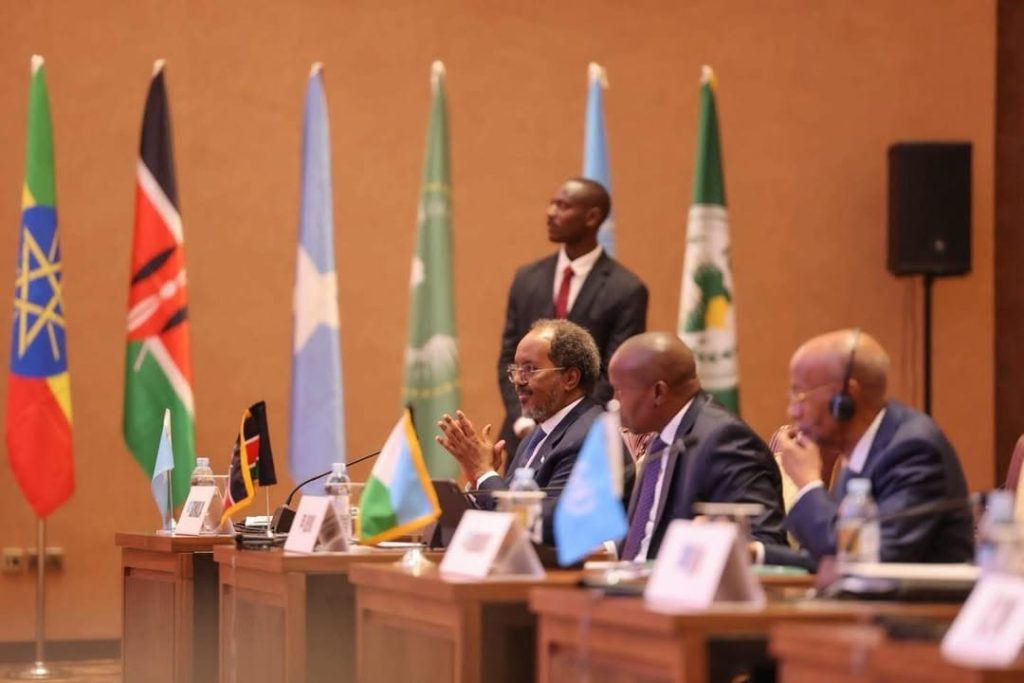
The meeting, hosted in Uganda’s capital Kampala, brought together Somali President Hassan Sheikh Mohamud, leaders from countries contributing troops to AUSSOM, senior African Union officials, representatives of the Intergovernmental Authority on Development (IGAD) and the United Nations.
Reports said there were differences over language in the communiqué referring to political consensus among Somalia’s stakeholders. According to the sources, Somali officials argued that domestic political disagreements should not form part of the summit’s conclusions, while several participating delegations insisted that the country’s political impasse has become inseparable from its security challenges.
The communiqué ultimately stressed that lasting peace requires inclusive governance, stronger state institutions and closer cooperation among Somalia’s political actors. It called on leaders to place national interests above political rivalries and work together to strengthen democratic institutions.
Delegates warned that continued disputes between the federal government, regional administrations and opposition groups risk undermining security operations, weakening coordination among Somali security forces and providing opportunities for Al-Shabaab to exploit political fragmentation.
The summit also urged closer cooperation between the federal government, federal member states and traditional leaders in efforts to combat the Islamist insurgency, describing political coordination as an essential component of the country’s stabilization strategy.
Participants reaffirmed support for a gradual and coordinated transfer of security responsibilities from AUSSOM to Somali forces, while calling for continued international assistance during the transition. The communiqué appealed for extended United Nations logistical support for up to two years and greater investment in intelligence, surveillance, air support and professional training for Somali security institutions.
Officials acknowledged that Somalia has made progress in building its security forces but cautioned that the transition will remain vulnerable unless accompanied by political reconciliation and institutional cohesion.
The summit concluded that sustainable security cannot be achieved through military measures alone, emphasizing that a durable political settlement is indispensable for preserving stability and ensuring the success of Somalia’s security transition.