


MOGADISHU, Somalia — Somalia’s lower house descended into turmoil on Wednesday as lawmakers engaged in physical altercations, trading punches and slaps in a chaotic session that exposed deep political divisions.
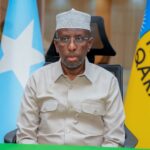
Armed security forces were deployed inside the parliamentary chamber as tensions escalated, with Speaker Adan Madobe facing fierce opposition from a group of MPs attempting to block proceedings.
The session, which marked the resumption of parliament after a week-long stalemate, quickly unraveled when opposition lawmakers booed and heckled Madobe, accusing him of bias and constitutional violations. More than 100 MPs have signed a motion to impeach the speaker, alleging he unlawfully removed the parliamentary immunity of MP Abib, a move they claim overstepped his authority and paralyzed legislative work.
Videos circulating on social media showed chaotic scenes, with lawmakers shoving each other and some exchanging blows, while armed security personnel stood watch inside the chamber. The presence of armed forces raised concerns about the escalating volatility, with no parliamentary business conducted amid the disorder.
Madobe, a veteran politician elected speaker in April 2022, dismissed the opposition as a minority, claiming only “20 MPs” were against him. He pushed to continue the session despite the uproar, further inflaming tensions. Critics, however, accuse him of stifling legislative progress and acting as a rubber stamp for President Hassan Sheikh Mohamud’s administration, allegations that government allies deny.
The unrest follows weeks of mounting friction in Somalia’s House of the People, where internal divisions have repeatedly stalled critical legislative priorities, including electoral reforms and constitutional amendments. The parliament has been deadlocked for nearly two weeks, with opposition lawmakers accusing Madobe of deliberately obstructing sessions to serve executive interests.
“This is a shameful display that undermines the integrity of our parliament,” said one opposition MP, who requested anonymity due to security concerns. “The speaker’s refusal to address our grievances has turned the House into a battleground.”
The crisis threatens to further derail Somalia’s fragile political transition. The country, which operates under an indirect electoral system based on clan representation, has been grappling with delayed reforms aimed at introducing universal suffrage for elections slated for 2026. Opposition leaders have accused the government of using parliamentary chaos to entrench power, a charge Mogadishu denies, blaming internal dissent for the impasse.
Somalia’s bicameral parliament, comprising the House of the People and the Upper House, has long been plagued by leadership disputes and allegations of corruption. Madobe, a former warlord with a controversial past, has faced criticism for allegedly amassing illicit wealth and abusing his authority, further fueling distrust among lawmakers.
Wednesday’s violence follows a pattern of parliamentary dysfunction. In December 2024, Madobe imposed salary reductions and suspensions on MPs accused of causing disorder, a move that deepened rifts within the chamber.
As the session collapsed, calls for dialogue grew louder. Political analysts warned that the ongoing parliamentary gridlock could exacerbate Somalia’s broader challenges, including insecurity driven by Al-Shabaab militants and tensions with semi-autonomous regions like Jubaland.
No official statement has been issued by President Mohamud’s office regarding the parliamentary unrest. As night fell in Mogadishu, the chamber remained at a standstill, with no clear path forward for resuming legislative work.
By Abdirisak Mohamud Tuuryare