


MOGADISHU, Somalia — Somalia’s Cabinet on Thursday approved new regulations governing private security services and reviewed the growing economic impact of regional instability, including disruptions linked to tensions in the Strait of Hormuz, officials said.
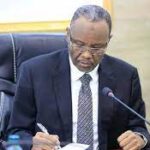
The weekly Cabinet meeting, chaired by Prime Minister Hamza Abdi Barre, focused on national security, the economy and the effects of mounting global pressures on Somalia’s domestic markets.
Ministers approved a regulatory framework for private security services proposed by the Interior Ministry, as well as internal auditing guidelines submitted by the Planning Ministry.
The Cabinet also received reports on river flooding and growing threats to water resources presented by the Ministry of Energy and Water Resources.
A separate economic assessment presented during the meeting highlighted the impact of instability around the Strait of Hormuz on Somalia’s import-dependent economy. According to Somalia’s National Statistics Agency, imports into the country have declined by 40%, contributing to a 10% rise in food prices and a 14% increase in healthcare service costs, alongside broader inflation affecting other goods.
Ministers discussed measures aimed at easing the burden on citizens and instructed relevant ministries to take urgent action to address the situation.
The Ministry of Religious Affairs and Endowments also briefed the Cabinet on preparations for this year’s Hajj pilgrimage, including the establishment of a dedicated terminal for Somali pilgrims at Aden Adde International Airport in Mogadishu.
Prime Minister Hamza praised what he described as improving security and stability in many parts of the country, particularly in the capital, and urged citizens to safeguard peace and national unity while warning against actions that could undermine security.