


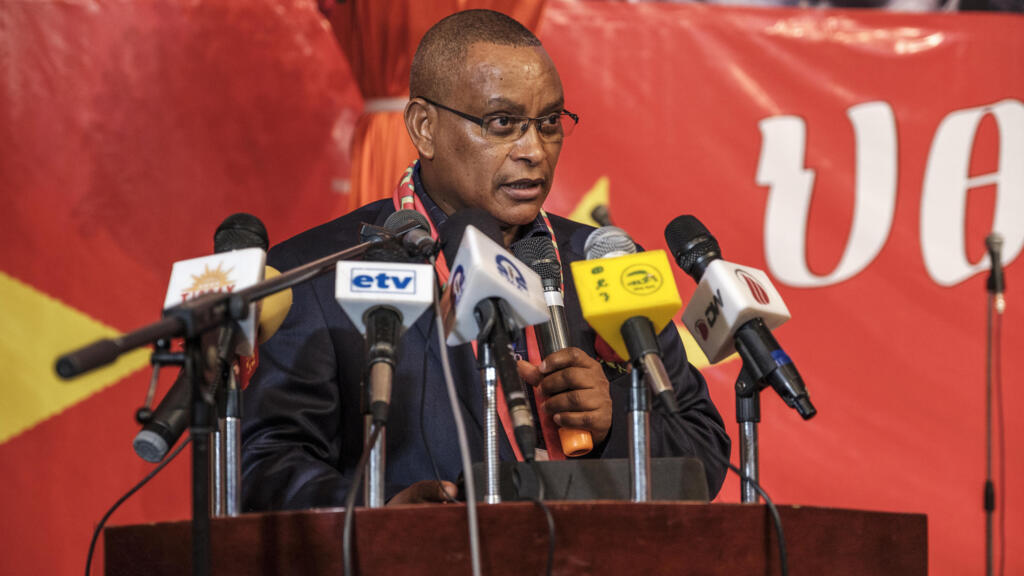
ADDIS ABABA — Tigray’s interim administration has accused Ethiopia’s federal government of launching a new military offensive in western Tigray, warning that the operation could unravel the 2022 Pretoria peace agreement and reignite one of Africa’s deadliest recent conflicts.
In a statement issued on Saturday, the interim administration said federal forces began military operations at dawn in the Shererina area of western Tigray, describing the move as the start of an “open war” against the region after months of mounting political and security tensions between Addis Ababa and the Tigray People’s Liberation Front (TPLF).
The administration accused Prime Minister Abiy Ahmed’s government of failing to implement key provisions of the Pretoria agreement, including restoring essential services, resolving the disputed status of western Tigray, facilitating the return of displaced people and completing agreed security arrangements.
It also alleged that the federal government had maintained an economic and service blockade on the region while increasing drone strikes and troop deployments in recent months.
The Tigray authorities called on residents, security forces, civil society groups and religious leaders to prepare to defend the region, while urging the international community to intervene swiftly to prevent a renewed conflict that could trigger fresh displacement and a worsening humanitarian crisis.
Ethiopia’s federal government had not publicly responded to the allegations as of Saturday, and there was no independent confirmation of the reported fighting in Shererina.
The accusations come amid deteriorating relations between Addis Ababa and the TPLF, the former ruling party that fought federal forces during the two-year civil war. In recent weeks, Abiy has accused the TPLF, Eritrea and Sudan of conspiring against Ethiopia’s security, while Tigray leaders argue that the Pretoria peace deal has effectively failed because its most critical provisions remain unimplemented.
Key disputes continue to centre on the future of western Tigray, the return of hundreds of thousands of displaced people, the disarmament of Tigrayan forces and the region’s political status, issues that have long hindered full implementation of the peace agreement.
The war between Ethiopia’s federal government and Tigrayan forces from 2020 to 2022 is estimated to have killed hundreds of thousands of people, displaced millions and devastated infrastructure across northern Ethiopia. Although the Pretoria agreement ended large-scale hostilities, analysts have repeatedly warned that unresolved political and territorial disputes leave the peace process fragile.
The United States, the African Union, the European Union and the United Nations have repeatedly urged both sides to avoid renewed fighting and fully implement the peace accord, warning that another conflict in Tigray could further destabilize the Horn of Africa as Ethiopia continues to face security challenges in the Amhara and Oromia regions.