

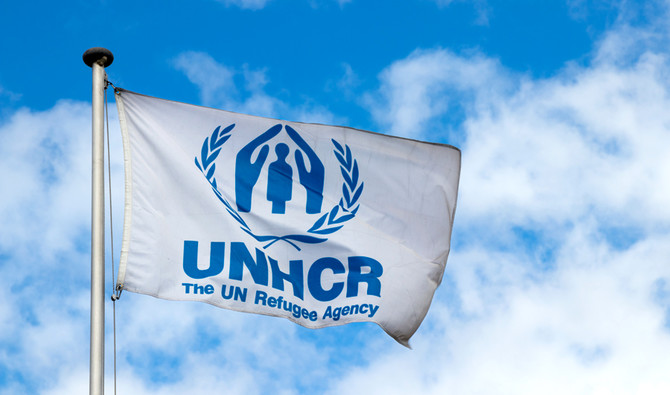
MOGADISHU, June 6 – Heavy armed clashes that erupted in Mogadishu on June 3 have displaced nearly 12,500 families and left civilians facing severe protection and humanitarian risks, the UN refugee agency said.
In a report released this week, the United Nations High Commissioner for Refugees said fighting between Somali government forces and an armed opposition group broke out near the Dabka junction before spreading to several districts, including Hodan District, Abdiaziz District, Howlwadag District, Warta Nabadda District and parts of Karaan District.
The agency said the violence occurred amid escalating political tensions and continued to have a serious impact on civilian protection despite a reduction in direct fighting.
Preliminary figures indicate that around 12,500 families were displaced, including women, children, elderly people, persons with disabilities and other vulnerable groups. Refugees and asylum seekers were also among those forced to flee, worsening their already fragile circumstances.
According to the report, at least 13 people were killed and 189 others wounded. UNHCR said many civilians remained trapped in parts of the capital, unable to leave areas affected by the fighting safely.
The agency warned that the increase in armed violence in densely populated neighbourhoods had created significant protection concerns, while vulnerable groups faced growing obstacles in accessing essential services, moving freely and obtaining humanitarian assistance.
UNHCR and protection partners called on all parties to the conflict to comply fully with international humanitarian and human rights law, stressing the need to protect civilians and civilian infrastructure and ensure unhindered humanitarian access.
The agency said it would continue monitoring the situation and assessing priority needs as further information becomes available.