

ADDIS ABABA, Ethiopia — Ethiopia’s army chief has accused Egypt, Sudan and other foreign powers of supporting armed and political groups seeking to challenge Prime Minister Abiy Ahmed’s government, as tensions rise following the formation of a new alliance of Ethiopian opposition groups.
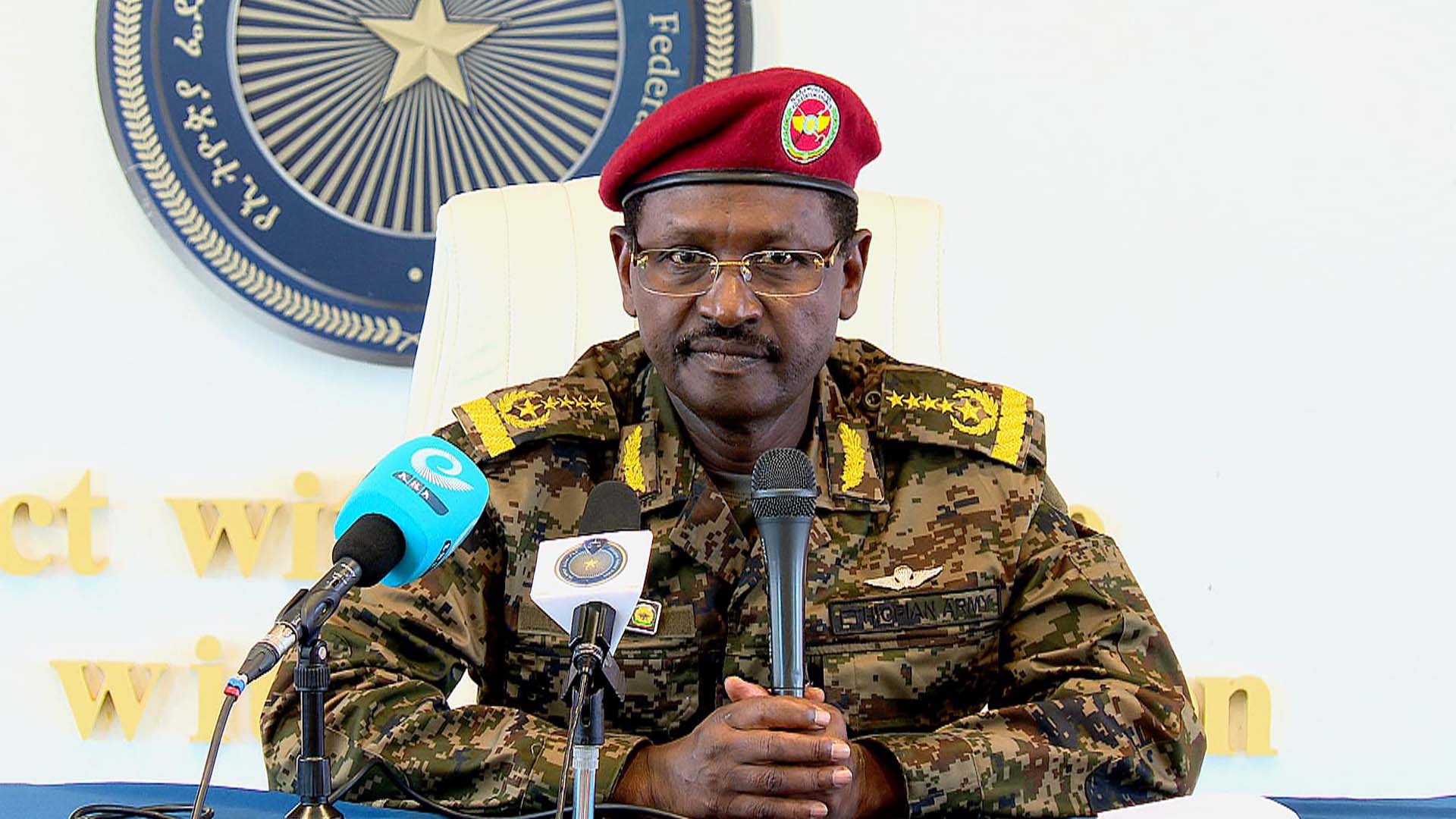
Field Marshal Birhanu Jula, chief of staff of the Ethiopian National Defense Force, said in remarks to military media that Ethiopia’s security challenges were part of what he described as a broader strategy by the country’s “historical” and “modern” enemies.
He said foreign actors had shifted away from direct military confrontation and were instead using financial resources, intelligence and support for local groups to create instability inside Ethiopia.
According to Birhanu, those efforts were aimed at aggravating internal divisions and obstructing the country’s development and use of its natural resources.
His comments came days after seven Ethiopian armed and political groups announced the formation of the Ethiopian Peoples’ Forces Alliance for Survival, an alliance that has pledged to remove Abiy’s government and establish an inclusive transitional administration.
The coalition includes the Tigray People’s Liberation Front, the Amhara Fano National Movement and the Oromo Liberation Army, as well as groups representing the Somali, Afar and Benishangul-Gumuz regions. Some of its members were previously on opposing sides during Ethiopia’s 2020-2022 Tigray war.
Birhanu referred to the new coalition as “Tsimdo”, portraying it as a continuation of earlier political and military alliances rather than an entirely new organization.
He also accused Eritrea of helping connect foreign powers with armed groups inside Ethiopia. Ethiopian officials have previously accused Eritrea of supporting armed actors in the country, allegations Asmara has denied.
The army chief said the Tigray People’s Liberation Front and Eritrea would not by themselves have enough capacity to pose a major challenge to the federal government. He argued that alleged external support from Sudan, Egypt and other powers had increased the ability of armed groups to operate.
Egypt and Sudan have not been cited as acknowledging the alleged support, and the claims could not be independently verified.
The emergence of the new alliance has added to concerns over renewed instability in northern Ethiopia. The TPLF and federal authorities have faced renewed tensions despite a 2022 peace agreement that ended the devastating Tigray war.
The alliance said it would coordinate the political and organisational capabilities of its members with the stated aim of removing the Prosperity Party-led government and establishing a transitional government under a transitional charter.
The formation of the coalition has brought together groups with different political histories and territorial interests. Fano forces fought alongside the federal government against the TPLF during the Tigray war before later turning against Addis Ababa in the Amhara conflict.
The Oromo Liberation Army has also been fighting the federal government in Oromia, while the other alliance members represent different regional political and armed movements.
Birhanu said the new alignment was an attempt to bring together forces that would struggle to challenge the federal government independently. He compared it with earlier political and military arrangements that existed before the fall of the Derg government in 1991.
He also argued that the TPLF had historically relied on alliances with political and armed groups and was now seeking cooperation with forces from Amhara and Oromia.
The Ethiopian government has said it is pursuing national dialogue to address longstanding political divisions and conflicts. Meanwhile, the newly formed alliance has called for a transition that it says would end Ethiopia’s conflicts and create a more inclusive political system.
Birhanu said the TPLF had become politically and militarily weaker, but warned that attempts to intensify tensions could have wider consequences for the Tigray region and Ethiopia.
The latest accusations come as political and security tensions continue to rise across northern Ethiopia, with competing sides trading allegations over military movements, foreign involvement and the possibility of renewed conflict.