


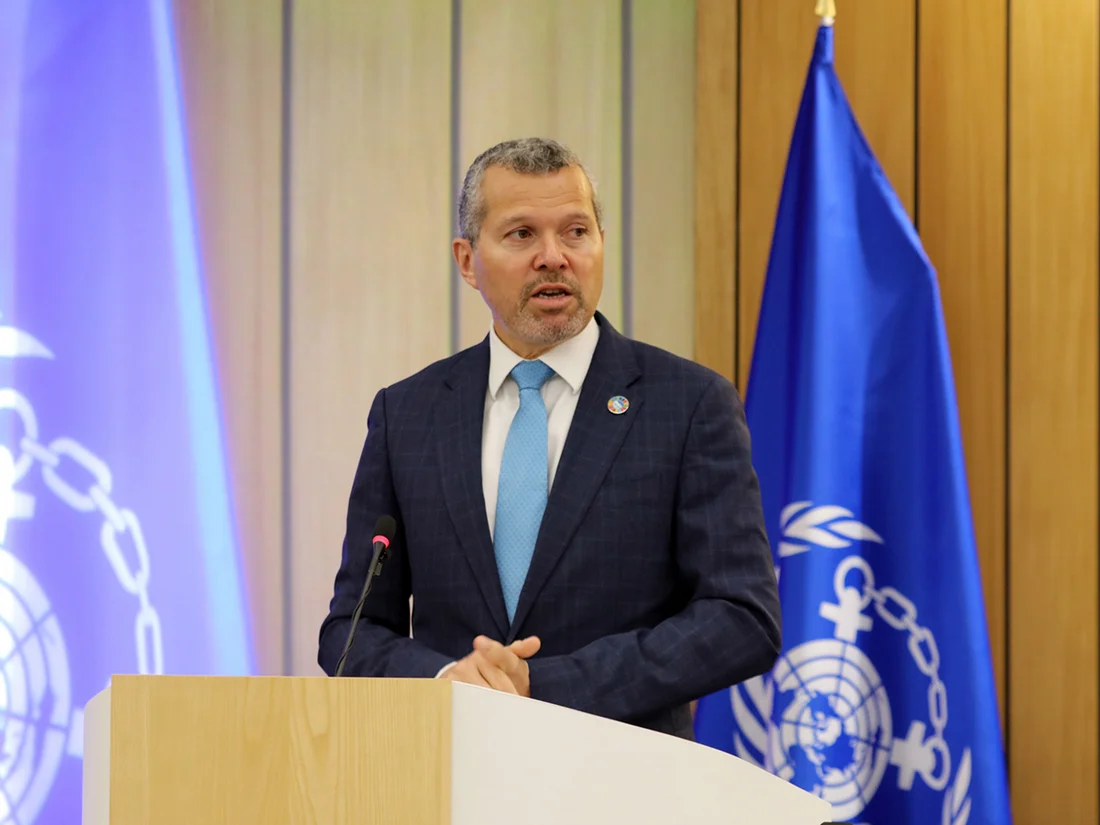
IMO secretary-general Arsenio Dominguez has called for the immediate release of more than 90 seafarers being held captive by pirate groups.
Dominguez’s call follows the hijacking on 20 August of Seamull; the product tanker was boarded by six armed persons who took control of the vessel and redirected it to Bosaso, Somalia.
According to JMIC’s most recent report, there are six vessels currently being held by Somali pirates: Honour 25, Sward, Eureka, Asana, Lutuf, and Seamull. The vessels were all hijacked in April – August this year and Sward was confirmed as being used as a mothership in the boarding of Lutuf in August.
“More than 90 innocent seafarers are now being held captive, their lives subject to constant uncertainty and threat, often with limited access to adequate food, fresh water, medical support and other essential services. Behind each of them is a family enduring an unimaginable ordeal, with limited reliable information about their loved ones’ well-being,” said Dominguez.
“I demand the immediate and unconditional release of all those being held captive. No seafarer should face violence, intimidation or exploitation simply for doing their jobs and keeping global trade moving.”
The increase in pirate activity off Yemen and Somalia adds to regional challenges for seafarers in the Red Sea/Bab-el-Mandeb and the Strait of Hormuz.
“The deteriorating maritime security situation in the region demands urgent attention. While international focus has been drawn to other areas of heightened tension, we cannot allow the resurgence of piracy in the Gulf of Aden and surrounding waters to go unaddressed. The safety and security of seafarers must remain a global priority,” said Dominguez.
At its peak from 2008-2011, Somali piracy was a scourge on the shipping industry which sparked co-ordinated international military and regulatory responses. Hundreds of attacks on vessels led to hundreds of successful hijackings, often leading to crews being held for ransom in appalling conditions ashore. Almost 1,200 seafarers were taken hostage in 2010 alone.
Dominguez reminded the industry of some of the tools developed during the era of heightened piracy.
“I call on flag and coastal States to ensure ships flying their flag are adequately prepared to manage security risks and that crews are not exposed to avoidable dangers. This includes the implementation of industry best management practices (BMP Maritime Security) and relevant IMO guidance, including MSC.1/Circ.1601/Rev.2.”
JMIC’s threat level for the Somali Coast/Somali Basin remains moderate, meaning an attack is possible but not likely, and for the Gulf Aden it the threat level is substantial, meaning an attack is likely.
“Pirate Action Groups continue to demonstrate the ability to board and divert merchant vessels in both coastal Somali waters and the Gulf of Aden under current monsoon conditions,” said JMIC.