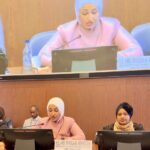


The United Nations Population Fund (UNFPA) Somalia Country has expanded its nationwide campaign to eliminate female genital mutilation (FGM) in Somalia, reinforcing long-term efforts to protect the health, rights, and dignity of girls and women in one of the countries most affected by the practice.
According to UNFPA, the initiative combines community engagement, health system support and policy advocacy, working in partnership with the Federal Government of Somalia, federal member states, civil society organisations, and local leaders. The approach is designed to address the social and cultural factors that support FGM while promoting alternatives rooted in public health, religious guidance and human rights.
UNFPA officials said the program prioritises dialogue with communities, particularly mothers, youth, and traditional and religious leaders to encourage informed decision-making at the household level. Areas where sustained outreach has been implemented have reported growing public awareness of the health risks associated with FGM and increased willingness among families to abandon the practice.
On the health side, UNFPA continues to support public health facilities by strengthening their capacity to provide care for women and girls affected by FGM. This includes training health workers, supplying essential equipment and improving referral systems for complications related to practice. The agency says these interventions are improving access to quality, survivor-centered care across several regions.
UNFPA is also supporting the development and implementation of national and sub-national strategies aimed at ending FGM. Through technical assistance and coordination with government institutions, the agency has contributed to placing the elimination of FGM firmly on Somalia’s policy agenda, alongside broader commitments to gender equality and women’s rights.
Local civil society groups and community leaders have welcomed the expanded efforts, noting that sustained engagement has helped shift attitudes in some communities. “There is growing understanding that FGM has serious health consequences and no basis in religion,” said one community leader involved in awareness activities.
Despite the progress, UNFPA warned that ending FGM will require sustained commitment, adequate resources and continued community leadership. The agency emphasised that long-term change depends on empowering Somali communities themselves to lead the transition away from this practice.
UNFPA said it will continue to work with national partners to scale up proven interventions and support Somalia’s efforts to protect girls from harmful practices, in line with international human rights standards.