

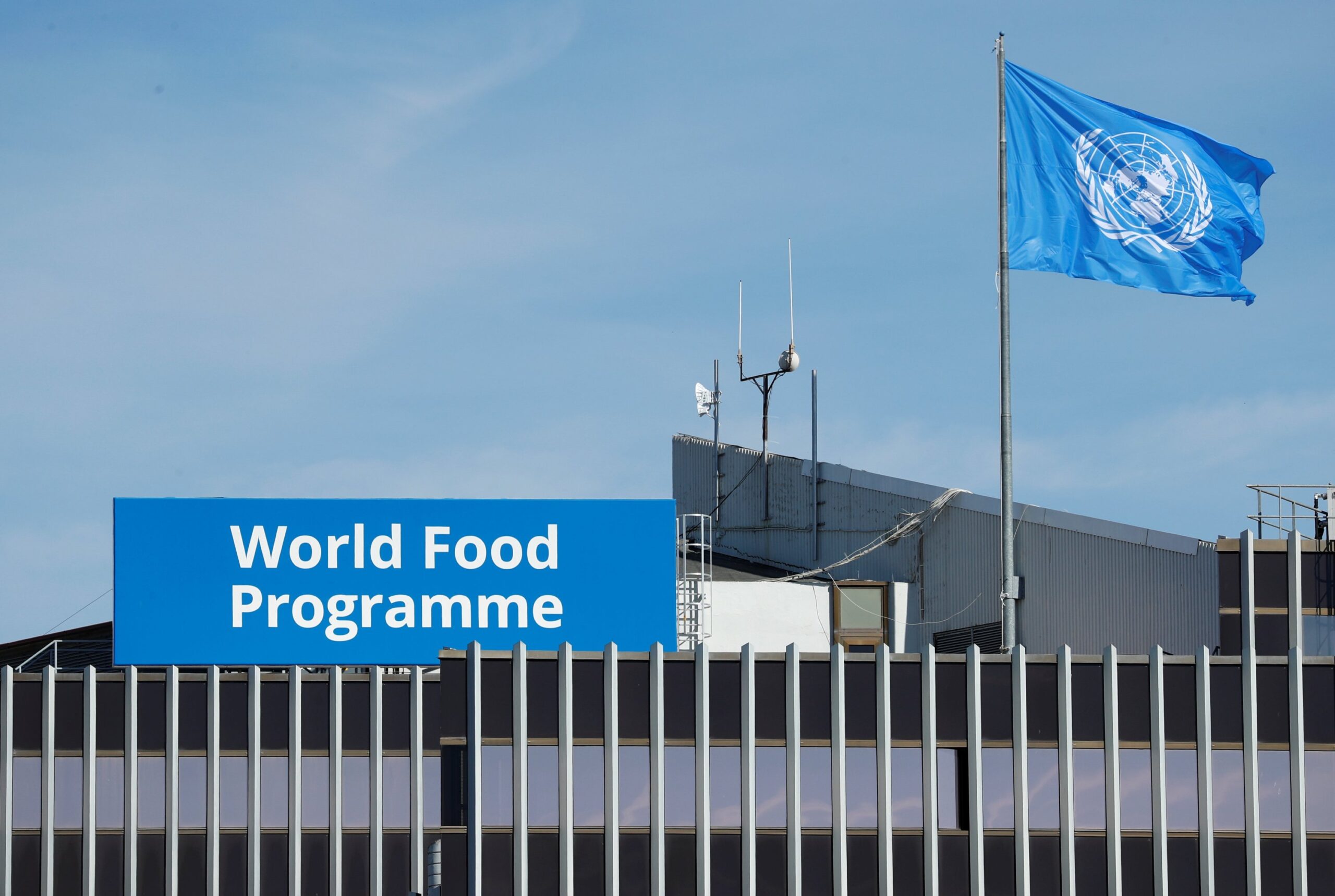
MOGADISHU, Somalia — The United Nations World Food Programme has warned the Security Council that Somalia is facing a worsening humanitarian crisis, with millions of people struggling with severe food insecurity and malnutrition.
WFP Acting Executive Director Carl Skau briefed the Security Council on the humanitarian situation after visiting several areas severely affected by the crisis, including the district of Burhakaba.
Skau said nearly six million people — almost one-third of Somalia’s population — are facing acute food insecurity. Aid agencies have warned that without urgent funding and assistance, the situation could lead to worsening malnutrition and further loss of life.
The crisis has been aggravated by a combination of drought and other climate-related shocks, armed conflict and rising prices for basic commodities. Insecurity and disruptions to supply chains have also increased food prices and the cost of delivering humanitarian assistance.
WFP estimates that nearly two million children under the age of five are expected to suffer from acute malnutrition this year, with around 500,000 requiring urgent treatment for severe acute malnutrition.
Humanitarian operations are also facing severe funding shortages as international donor contributions have fallen sharply. Aid agencies now have only about 10 percent of the resources available during the response to Somalia’s 2022 drought, forcing WFP to reduce the number of people it can support directly.
Only hundreds of thousands of people are currently receiving assistance, leaving many others in need without access to essential services.
The funding crisis has hit displaced communities particularly hard, with many health and nutrition centres in displacement camps closing or significantly reducing their services because of a lack of resources.
The United Nations and humanitarian agencies are urging the international community to act before the crisis deteriorates further. They have called for increased humanitarian funding, the protection of supply routes, support for livelihoods dependent on farming and livestock, and stronger assistance for vulnerable communities.
Health experts and aid agencies have also warned against waiting for a formal declaration of famine, saying early action is critical to saving lives and preventing Somalia from sliding into another large-scale humanitarian disaster.