

WASHINGTON – The United States has officially implemented a new 3.5% tax on money transfers sent abroad, a move that is expected to significantly affect millions of households, including Somali families who rely heavily on remittances for daily survival.
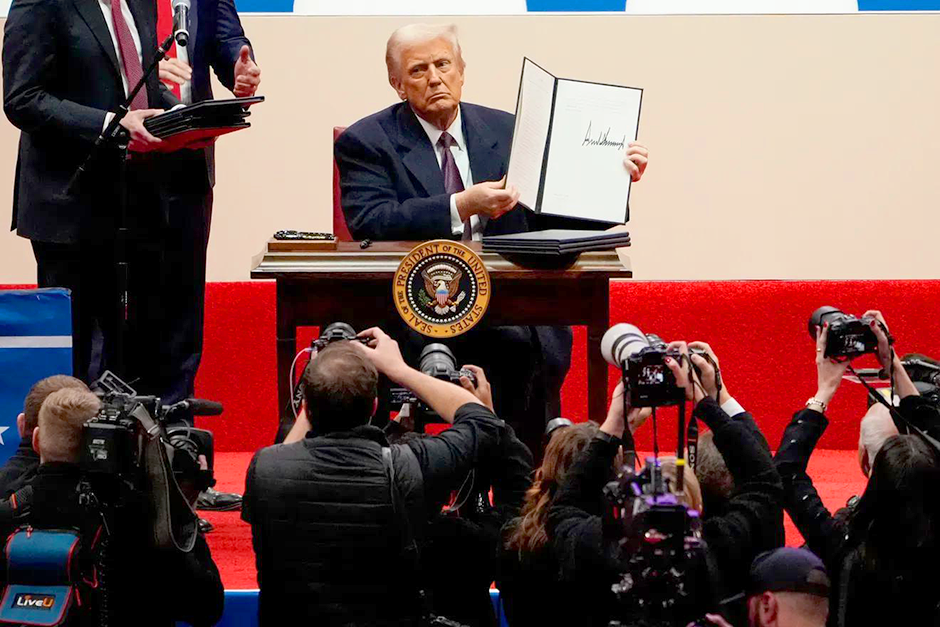
The tax is part of a broader economic policy known as the “One, Big, Beautiful Bill,” signed into law earlier this month by former President Donald Trump. The measure aims to boost domestic revenue but has drawn sharp criticism from migrant rights groups and officials in developing countries.
According to the Center for Global Development (CGD), the tax could lead to a 5.6% decline in global remittance flows to developing nations, costing countries such as Somalia, India and Mexico billions of dollars annually.
In 2023, members of the Somali diaspora sent home an estimated $1.73 billion — a figure that surpassed all international aid and development assistance received by Somalia. These remittances are considered a lifeline for millions, especially during times of drought, conflict and inflation.
The new tax comes as the US has also reduced aid to Somalia, cutting more than $60 billion in funding and slashing nearly 40% of previous humanitarian assistance.
Humanitarian organizations, including Oxfam, have warned that the remittance tax will directly harm vulnerable families who depend on money from relatives abroad.
During Somalia’s devastating 2011 famine, remittances played a key role in saving lives. Aid groups now fear that this policy could undermine one of the few reliable safety nets available to Somali households.